日本史35 Japanese history 35
天保の改革 Tempo
Reforms

徳川家斉(とくがわ・いえなり)Tokugawa
Ienari(在職1787年~1837年)
11代将軍the 11th shogun

水野忠邦(みずの・ただくに)Mizuno Tadakuni(1794~1851)

二式複座戦闘機(にしき・ふくざ・せんとうき)Type 2
Two-Seat Fighter屠龍(とりゅう)Toryu(Dragon Slayer)
二式複座戦闘機(にしき・ふくざ・せんとうき)Type 2
Two-Seat Fighterは、第二次世界大戦World War II時の日本陸軍Imperial
Japanese Armyの戦闘機Fighter
aircraft。
The Type 2 two-seat
fighter was a fighter aircraft used by the Japanese Army during World War II.
愛称Nicknameは屠龍(とりゅう)Toryu(Dragon Slayer)。
His nickname is Toryu.
連合軍Allied forcesのコードネームCode nameはニックNick。
The Allied code name is
Nick.

二式複座戦闘機(にしき・ふくざ・せんとうき)Type 2
Two-Seat Fighter屠龍(とりゅう)Toryu(Dragon Slayer)

二式戦闘機(にしき・せんとうき)「鍾馗(しょうき)」 Type 2 Fighter Shoki (Devil Queller)
開発Development・製造Manufacturingは川崎航空機(かわさき・こうくうき)Kawasaki Aerospace Company。
Developed and
manufactured by Kawasaki Aircraft.
名称に複座(ふくざ)Two-Seatとつくのは、同1942年(昭和17年)に採用された二式単座戦闘機(にしき・たんざ・せんとうき)Type 2
Single-Seat Fighter「鍾馗(しょうき)Shoki(Devil Queller)」と区別するため。
The two-seater name is
used to distinguish it from the Type 2 single-seat fighter "Shoki,"
which was adopted in 1942.

二式複座戦闘機(にしき・ふくざ・せんとうき)Type 2
Two-Seat Fighter屠龍(とりゅう)Toryu(Dragon Slayer)

P-40B/C トマホークCurtiss P-40
Tomahawk
二式複座戦闘機(にしき・ふくざ・せんとうき)Type 2
Two-Seat Fighter屠龍(とりゅう)Toryu(Dragon Slayer)は、1942年(昭和17年)6月、中国大陸Chinese mainlandの広東(カントン)方面Guangdong areaにおいて爆撃隊Bomber corpsの護衛escortとして桂林(けいりん)攻撃the attack on Guilinに参加、アメリカ義勇航空隊American Volunteer Group(AVG)「フライング・タイガースFlying Tigers」のP-40B/C トマホークCurtiss P-40 Tomahawkと対戦したが、この戦いで二式複座戦闘機(にしき・ふくざ・せんとうき)Type 2 Two-Seat Fighter屠龍(とりゅう)Toryu(Dragon Slayer)は惨敗devastating defeatを喫した。
The Type 2 two-seat
fighter took part in the attack on Guilin in June 1942 as an escort for a
bomber squadron in the Guangdong area of mainland China, and was used as a P-
by the American volunteer air group "Flying Tigers." It fought
against the 40B/C Tomahawk, but the Type 2 two-seat fighter suffered a crushing
defeat in this battle.
二式複座戦闘機(にしき・ふくざ・せんとうき)Type 2
Two-Seat Fighter屠龍(とりゅう)Toryu(Dragon Slayer)は同1942年(昭和17年)9月、ハノイHanoiにおいてもP-40E キティホークCurtiss P-40 Kittyhawkと戦って敗れた。
In September 1942, the
Type 2 two-seat fighter was defeated in a battle against the P-40E Kitty Hawk
in Hanoi.
これらの事実は、二式複座戦闘機(にしき・ふくざ・せんとうき)Type 2 Two-Seat Fighter屠龍(とりゅう)Toryu(Dragon Slayer)が単発戦闘機Single-engine Fighterとまともに戦えないということを示していた。
These facts showed that
the Type 2 two-seater fighter could not fight properly against a single-engine
fighter.

水野忠邦(みずの・ただくに)Mizuno Tadakuni(1794~1851)
第9章 Chapter 9
幕藩体制の動揺
Unrest in the Shogunate system
第5節 Section 5
天保の改革 Tempo
Reforms


17世紀 the 17th
century

欧米諸国の進出 Advancement of Western
countries
列強の接近Approach of Great Powers
西力東漸(せいりき・とうぜん)
West Power Advance East
17世紀から18世紀にかけての西ヨーロッパWestern Europeでは、資本主義capitalismが発展developingし近代産業modern industryが急速に勃興しつつあった。
From the 17th century to
the 18th century in Western Europe, capitalism was developing and modern
industry was rapidly rising.
また、17世紀にはイギリスEnglandで市民革命a civil revolutionが、18世紀末にはアメリカ独立戦争the American War of Independence、フランス革命the French Revolutionが起こるなど、絶対主義的な専制政治Absolutist tyrannyが市民革命civil revolutionによって倒され、民主主義democracyが成長しつつあった。
In the 17th century,
there was a civil revolution in England, and at the end of the 18th century,
the American War of Independence and the French Revolution.
Absolutist tyranny was
overthrown by civil revolution, and democracy was growing.
ところがこれらの諸国these countriesは、資本主義capitalismのための原料raw materialsの供給地a sourceと大量生産された商品mass-produced commoditiesの市場a marketを求めて、近代的軍事力modern military mightを背景に、アジアの侵略invade Asiaを始めた。
However, in search of a
source of raw materials for capitalism and a market for mass-produced
commodities, these countries began to invade Asia with their modern military
might.

ロシアの南下Russia's advance southward
17世紀頃からシベリア開発developing Siberiaを進めていたロシアRussiaは、18世紀に入るとカムチャツカKamchatkaから南下moved southwardしてしきりに日本近海in the waters near Japanに出没appearedし、上陸landed thereすることもあった。
Russia, which had been
developing Siberia since the 17th century, moved southward from Kamchatka in
the 18th century and frequently appeared in the waters near Japan and even
landed there.

厚岸町(あっけし・ちょう)Akkeshi-chō
1739年にスパンベルグの探検隊Spanberg's expeditionが蝦夷地(えぞち)Ezochiから南下went southして、陸奥(むつ)Mutsu Province(福島県Fukushima Prefecture、宮城県Miyagi
Prefecture、岩手県Iwate Prefecture、青森県Aomori Prefectureと秋田県Akita Prefectureの一部)・安房(あわ)Awa Province(千葉県Chiba Prefecture南部)・伊豆(いず)Izu Province(静岡県Shizuoka Prefecture)の沿岸coastに現れ、1771年には、ロシアRussiaが千島列島(ちしまれっとう)Kuril Islandsに砦a fortを築き、1778年には、ロシア船Russian shipsが蝦夷地(えぞち)Ezochi厚岸(あっけし)Akkeshiに来船して通商を求めたseeking trade。
In 1739, Spanberg's
expedition went south from Ezochi and appeared along the coast of Mutsu, Awa,
and Izu. In 1771, Russia built a fort on the Kuril Islands. came to Japan to
seek commerce.
In 1778, Russian ships
came to Ezoji Akkeshi, seeking trade.

工藤平助(くどう・へいすけ)Kudo Heisuke(1734~1800)

林子平(はやし・しへい)Hayashi Shihei(1738~1793)

三国通覧図説(さんごく・つうらん・ずせつ)Sangoku
Tsūran Zusetsu
このような情勢situationのなかで、工藤平助(くどう・へいすけ)Kudo Heisuke(1734~1800)は『赤蝦夷風説考(あかえぞ・ふうせつこう)Akaezo Fusetsuko』を著して日露貿易Japan-Russia tradeの必要性necessityを説き、林子平(はやし・しへい)Hayashi Shihei(1738~1793)も『三国通覧図説(さんごく・つうらん・ずせつ)Sangoku Tsūran Zusetsu』・『海国兵談(かいこく・へいだん)Kaikoku Heidan』などで、ロシアの南下Russia's advance southwardを警告warnedし海防の要the essentials of coastal defenseを説いていた。
In this situation, Kudo
Heisuke (1734-1800) wrote "Akaezo Fusetsuko" and preached the
necessity of Japan-Russia trade. Hayashi Shihei (1738-1793) also warned against
Russia's advance southward in his Sankoku Tsuran Zusetsu and Kaikoku Heidan. I
was preaching the point.
He was explaining the
essentials of coastal defense.

エカチェリーナ2世Catherine II(Catherine the Great)

アダム・ラクスマンAdam Laxman

大黒屋光太夫(だいこくや・こうだゆう)Daikokuya
Kōdayū(幸太夫)(1751~1828)

ロシアの南下Russia's advance southward
1792年(寛政4年)、ロシアの女帝Empress of Russia・エカチェリーナ2世Catherine II(Catherine the Great)の命を受けたラックスマンLaksman(1766年~?)が、漂流民a drifter・大黒屋光太夫(だいこくや・こうだゆう)Daikokuya Kōdayū(幸太夫)(1751~1828)の送還repatriationと通商tradeを求めて、根室(ねむろ)Nemuroに来航してきた。
In 1792 (Kansei 4),
Laksman (1766~?), who was ordered by Empress Catherine II of Russia, became a
drifter, Kodayu Daikokuya (Kodayu) (1751). 1828), and came to Nemuro in search
of repatriation and trade.
幕府(ばくふ)the shogunateは通商要求the trade demandsを拒否rejectedし、交渉negotiationsはすべて長崎Nagasakiで行うと通告informedした。
The shogunate rejected
the trade demands and informed them that all negotiations would be held in
Nagasaki.

桂川甫周(かつらがわ・ほしゅう)Katsuragawa
Hoshū(1754~1809)

徳川家斉(とくがわ・いえなり)Tokugawa
Ienari(在職1787年~1837年)
11代将軍the 11th shogun
幕府医官a medical officer of the shogunate・桂川甫周(かつらがわ・ほしゅう)Katsuragawa Hoshū(1754~1809)は蘭書(らんしょ)Dutch booksを記述した『魯西亜志(ロシアし)Roshiashi』で時の求めに応え、また吹上苑(ふきあげ・えん)Fukiage Gardenで将軍・徳川家斉(とくがわ・いえなり)Tokugawa Ienari(在職1787年~1837年)自ら大黒屋光太夫(だいこくや・こうだゆう)Daikokuya Kōdayūを尋問interrogatedした際に同席attendedし『北槎聞略(ほくさ・ぶんりゃく)Hokusa
Bunryaku』・『漁民御覧之記(ぎょみん・ごらん・の・き)Gyomin Goran
no Ki』を著した。
Katsuragawa Hoshu
(1754-1809), a medical officer of the shogunate, responded to the demands of
the times by writing Rosaiashi (Russia), which describes Dutch books. Ienari
(1787-1837) attended when he interrogated Kodayu Daikokuya himself and read
"Hokusa Bunryaku" and "Gyomin Goran no Ki". wrote.

最上徳内(もがみ・とくない)Mogami Tokunai(1755~1836)

松平信明(まつだいら・のぶあきら)Matsudaira Nobuakira

近藤重蔵(こんどう・じゅうぞう)Kondō Jūzō(1771~1829)

千島列島(ちしま・れっとう)the Kuril
Islands

「大日本恵登呂府(だいにっぽん・えとろふ)Great Japan
Etorofu」
すでに最上徳内(もがみ・とくない)Mogami Tokunai(1755~1836)らが蝦夷(えぞ)explored・千島(ちしま)the Kuril Islandsを探検exploredしていたが、危機感sense of dangerを深めた幕府(ばくふ)the shogunate(老中(ろうじゅう)Rōjū(Elder)・松平信明(まつだいら・のぶあきら)Matsudaira Nobuakira)は、1798年(寛政10年)に近藤重蔵(こんどう・じゅうぞう)Kondō Jūzō(1771~1829)に千島(ちしま)the
Kuril Islandsを探検exploreさせ、択捉島(えとろふ)Etorofu Islandに「大日本恵登呂府(だいにっぽん・えとろふ)Great Japan Etorofu」の標柱(ひょうちゅう)pillarを立てさせた。
Mogami Tokunai
(1755-1836) and others had already explored Ezo and the Kuril Islands, but the
shogunate (senior councilor Matsudaira Nobuakira) felt a deep sense of danger.
In 1798 (10th year of Kansei), Kondo Juzo (1771-1829) was sent to explore the
Kuril Islands, and erected a pillar of 'Great Japan
Etorofu' on Etorofu Island.

蝦夷地(えぞち)Ezochi
翌1799年(寛政11年)には、松前藩(まつまえ・はん)the Matsumae Domainから東蝦夷地(ひがし・えぞち)East Ezochiを取り上げて直轄地(ちょっかつち)put under direct controlとし、1802年(享和2年)には蝦夷奉行(えぞ・ぶぎょう)Ezo Bugyoを置いて経営に当たらせた。
In the following year,
1799 (11th year of Kansei), East Ezochi was taken away from the Matsumae clan
and put under direct control, and in 1802 (2nd year of Kyowa), Ezo Bugyo was
appointed to manage the business. Let
同1802年(享和2年)箱館奉行(はこだて・ぶぎょう)Hakodate Bugyoと改称、1807年(文化4年)には松前奉行(まつまえ・ぶぎょう)Matsumae Bugyoと改め、1821年(文政4年)蝦夷地(えぞち)Ezochiが松前藩(まつまえ・はん)the Matsumae Domainに返されたとき、奉行(ぶぎょう)Bugyoも廃止abolishedされた。
In 1802, the name was
changed to Hakodate Magistrate, in 1807 it was changed to Matsumae Magistrate,
and in 1821, when Ezochi was returned to the Matsumae clan, the Magistrate was
abolished. was done.
1854年(安政元年)再び箱館(はこだて)周辺the area around Hakodateを直轄地(ちょっかつち)under direct controlとし、箱館奉行(はこだて・ぶぎょう)Hakodate Bugyoを設けた。
In 1854 (the first year
of Ansei), the area around Hakodate was placed under direct control again, and
the Hakodate magistrate was established.

ニコライ・レザノフ Nikolai Rezanov
1804年(文化元年)には、レザノフRezanov(1764~1807)が漂流民の送還the repatriation of castawaysと通商tradeを求めて長崎(ながさき)Nagasakiに入港してきたが、幕府(ばくふ)the shogunateは鎖国方針(さこくほうしん)isolation policyを堅持(けんじ)adheringしてこれを拒否refusedした。
In 1804 (the first year
of Bunka), Rezanov (1764-1807) entered the port of Nagasaki in search of the
repatriation of castaways and trade, but the shogunate refused this, adhering
to its isolation policy.

ロシアの乱妨(らんぼう)Russian sabotage
帰国したレザノフRezanovは日本Japanに通商tradeを強制するため、蝦夷地(えぞち)Ezochiの日本植民地Japanese colonyの破壊destroyや沿岸航路coastal shipping routesの攪乱disrupt(かくらん)を計画した。
After returning to Japan,
Rezanov planned to destroy the Japanese colony in Ezo and disrupt coastal
shipping routes in order to force Japan to trade.
その結果、1806年(文化3年)、樺太(からふと)Karafuto・択捉島(えとろふとう)Etorofu Island・利尻島(りしりとう)Rishiri Islandなどでロシア人Russiansによる襲撃事件attackが起こった。
As a result, in 1806
(Bunka 3rd year), Russians attacked Karafuto, Etorofu Island, Rishiri Island,
etc.

間宮林蔵(まみや・りんぞう)Mamiya Rinzō(1776~1845)

松田伝十郎(まつだ・でんじゅうろう)Matsuda
Denjuro

間宮海峡(まみや・かいきょう)Strait of
Tartary
幕府(ばくふ)the shogunateは、さらに北辺防備the defense of the northern areaを固めるために、1807年(文化4年)には西蝦夷地(にし・えぞち)West Ezochiをも直轄地put under direct controlとして蝦夷奉行(えぞ・ぶぎょう)Ezo Bugyoを松前奉行(まつまえ・ぶぎょう)Matsumae Bugyoと改め、翌1808年会津藩(あいづ・はん)Aizu domain・仙台藩(せんだい・はん)Sendai domainに東西蝦夷地the east and west of Ezoを守備defendedさせるとともに、間宮林蔵(まみや・りんぞう)Mamiya Rinzō(1776~1845)・松田伝十郎(まつだ・でんじゅうろう)Matsuda Denjuroに命じて樺太(からふと)Karafutoを探検exploreさせ、間宮林蔵(まみや・りんぞう)Mamiya Rinzōは樺太(からふと)Karafutoが島an islandであることを発見discoveredした。
In 1807 (Bunka 4), the
shogunate changed the Ezo magistrate to the Matsumae magistrate in order to
further strengthen the defense of the northern area by placing Nishi-Ezo under
its direct control, and in 1808, the Aizu and Sendai domains defended the east
and west of Ezo. At the same time, he ordered Rinzo Mamiya (1776-1845) and
Denjuro Matsuda to explore Karafuto, and Rinzo Mamiya discovered that Karafuto
was an island.

ゴローニンGolovnin(1776~1831)

ゴローニン事件Golovnin
Incident

高田屋嘉兵衛(たかだや・かへえ)Takadaya Kahei(1769~1827)
1811年(文化8年)にロシア軍艦a Russian warshipが国後島(くなしり・とう)Kunashir Islandに来航arrived、艦長the captain・ゴローニンGolovnin(1776~1831)は捕えられて箱館(はこだて)Hakodateに拘置captured and imprisonedされた。
In 1811 (Bunka 8), a
Russian warship arrived at Kunashiri Island, and the captain, Golovnin
(1776-1831), was captured and imprisoned in Hakodate.
翌1812年(文化9年)ロシアRussiaは、淡路の商人a merchant from Awaji高田屋嘉兵衛(たかだや・かへえ)Takadaya Kahei(1769~1827)を捕えcaptured、その交換exchangeを申し入れてきたofferedので、1813年(文化10年)に解決を見たsettlement was reached。
In the following year,
1812 (Bunka 9), Russia captured Takadaya Kahei (1769-1827), a merchant from
Awaji, and offered to exchange him, so a settlement was reached in 1813 (Bunka
10).

北方領土(ほっぽう・りょうど)the Northern
Territories
そのとき択捉島(えとろふ・とう)Etorofu Islandまでを日本Japanese territory、新知島(しむしる・とう)Simushir Islandまでをロシア領Russian territoryとし、その中間the area in betweenを中立地帯neutral zoneとすると決めた。
At that time, it was
decided that the area up to Etorofu Island should be Japanese territory, the
area up to Shinchi Island should be Russian territory, and the area in between
would be a neutral zone.

ナポレオン・ボナパルトNapoleon
Bonaparte
その後ロシアRussiaは、ナポレオンNapoleonによるロシア遠征Russian expeditionに対するため、シベリア方面への進出advancing to Siberiaを断念した(なお、ゴローニンGolovninの抑留detention中の記録recordは『日本幽囚記(にほん・ゆうしゅうき)Nihon Yushuki』として有名である)。
After that, Russia gave
up advancing to Siberia in order to counter Napoleon's Russian expedition (the
record of Golovnin's detention is famous as "Nihon Yushoki").

ナポレオン戦争Napoleonic
Wars
当時ヨーロッパEuropeでは、ナポレオンNapoleonが全ヨーロッパacross Europeに勢力をひろげspread his power、オランダthe Netherlandsも属領a dependentとなっていた。
In Europe at the time,
Napoleon had spread his power across Europe, and the Netherlands was also a
dependent.

フェートン号事件the Phaeton
Incident (Nagasaki
Harbour Incident)
そのためイギリスBritainは、これに乗じてtook advantage of this東洋貿易の独占monopolize the Oriental tradeをはかり、1808年(文化5年)、イギリス軍艦the British warshipフェートン号Phaetonがオランダ国旗the Dutch flagを掲げて長崎Nagasakiに入港し、オランダ商館員the Dutch trading house membersを捕えcaptured、薪水(しんすい)firewood
and water・食糧foodを強要extortedして去った(フェートン号事件the Phaeton
Incident)。
In 1808 (Bunka 5), the
British warship Phaeton sailed into the port of Nagasaki under the Dutch flag,
captured the Dutch trading house members, and ordered them to trade with Japan.
Forced food and left (Phaeton Incident).

松平康英(まつだいら・やすひで)Matsudaira Yasuhide
長崎奉行(ながさき・ぶぎょう)Nagasaki
bugyō・松平康英(まつだいら・やすひで)Matsudaira Yasuhideはその責任responsibilityをとって切腹(せっぷく)Seppukuしたが、この事件this incidentは幕府当局者the officials of the shogunateに深刻な衝撃a serious shockを与えた。
Yasuhide Matsudaira, the
magistrate of Nagasaki, took responsibility for this and committed seppuku, but
this incident gave a serious shock to the officials of the shogunate.

フェートン号事件 the Phaeton Incident (Nagasaki Harbour Incident)
その後も、イギリス船British shipsなどによる暴行事件incidents of violenceなどが相次いだ。
After that, there were a
series of incidents of violence by British ships and others.
1822年(文政5年)には浦賀(うらが)Uragaに来航して薪水(しんすい)firewood and waterを求め、1824年(文政7年)には、捕鯨船員whaling sailorsが常陸(ひたち)Hitachi Province大津浜(おおつはま)Otsuhamaに上陸landedして水戸藩(みと・はん)Mito Domainに捕らえられcaptured、薩摩(さつま)Satsuma Province宝島(たからじま)Takarajimaでは捕鯨船員whalersが上陸coming ashoreして略奪を行うcommitting plunderなど、トラブルTroubleが続いた。
In 1822 (Bunsei 5), they
came to Uraga and sought firewood and water. Whaling crews landed and looted
the island, causing troubles.

文化の薪水給与令(ぶんか・の・しんすい・きゅうよ・れい)Bunka no Shinsui Kyuuyo rei
異国船打払令(いこくせん・うちはらい・れい)Edict to Repel Foreign Vessels(無二念打払令(むにねん・うちはらい・れい)Muninen Uchiharai Rei)
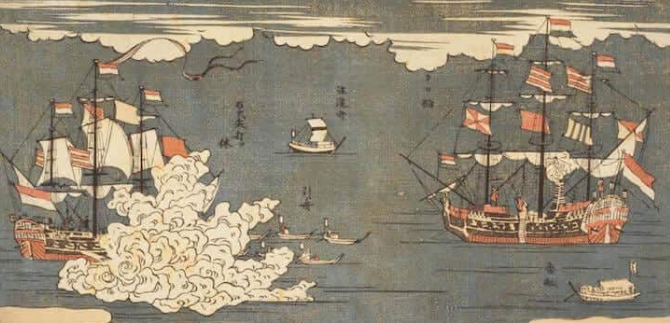
そのため幕府(ばくふ)the shogunateは、すでに1806年(文化3年)に外国船foreign shipsに対して薪水(しんすい)firewood and waterを給与supplyして退去させるforce them to leaveことにしていたが(文化の薪水給与令(ぶんか・の・しんすい・きゅうよ・れい)Bunka no Shinsui Kyuuyo rei)、1825年(文政8年)に異国船打払令(いこくせん・うちはらい・れい)Edict to Repel Foreign Vessels(無二念打払令(むにねん・うちはらい・れい)Muninen Uchiharai Rei)を出して、清(しん)the Qing
dynasty・オランダthe Netherlands以外の外国船foreign shipsに対しては、有無を言わせず打ち払ってdismissed without saying anythingよいとする強硬策a hard-line policyに転ずるturned intoに至った。
For this reason, the
shogunate had already decided in 1806 (Bunka 3rd year) to supply firewood and
water to foreign ships and force them to leave (Bunka no Shinsui Kyuuyore In
1825 (Bunsei 8), an order to expel foreign ships (Ikokusen Uchiharai Rei) was
issued (Muninen Uchiharai Rei). For foreign ships other than the above, it
turned to a hardline policy that they could be dismissed without saying
anything.

欧米諸国の進出Advancement
of Western countries
18世紀 the 18th centuryにイギリスBritainから独立independenceしたアメリカThe United Statesは、19世紀中頃the middle of the 19th centuryになると、北太平洋の捕鯨業whaling in the North Pacificや中国Chinaとの広東(カントン)貿易Canton tradeなどを通じて、日本との接近getting closer to Japanを考え始めた。
The United States, which
gained independence from Britain in the 18th century, began to consider getting
closer to Japan in the middle of the 19th century through whaling in the North
Pacific and Canton trade (Canton) with China.

モリソン号事件the Morrison Incident
1837年(天保8年)、アメリカ商船the American merchant shipモリソン号Morrisonが、日本人の漂流民Japanese castawaysを伴って通商commerce・漂流民保護the protection of castawaysを求めて来航arrivedしたが、異国船打払令(いこくせん・うちはらい・れい)Edict to Repel Foreign Vesselsによって浦賀(うらが)Uragaと薩摩(さつま)Satsuma Province山川(やまかわ)Yamakawaで撃退repulsedされた。
In 1837 (Tenpo 8), the
American merchant ship Morrison, accompanied by Japanese castaways, arrived in
search of commerce and the protection of castaways. and was repulsed by
Yamakawa.

渡辺崋山(わたなべ・かざん)Watanabe Kazan

高野長英(たかの・ちょうえい)Takano Chōei

蛮社の獄(ばんしゃ・の・ごく)Bansha no
goku(Indictment of the society
for western (or barbarian) study)
これに対して民間the private sectorから、渡辺崋山(わたなべ・かざん)Watanabe Kazan・高野長英(たかの・ちょうえい)Takano Chōeiらの批判criticizedが起こったが、幕府(ばくふ)the shogunateはこれを弾圧suppressedした(蛮社の獄(ばんしゃ・の・ごく)Bansha no
goku(Indictment of the society
for western (or barbarian) study))。
Kazan Watanabe, Choei
Takano and others criticized this from the private sector, but the shogunate
suppressed this (Bansha no Goku).

松平定信(まつだいら・さだのぶ)Matsudaira
Sadanobu(1758~1829)
徳川吉宗(とくがわ・よしむね)Tokugawa
Yoshimuneの孫grandson

徳川家斉(とくがわ・いえなり)Tokugawa
Ienari(在職1787年~1837年)
11代将軍the 11th shogun
一橋家(ひとつばしけ)Hitotsubashi House
大御所時代(おおごしょ・じだい)Ogosho era
このような対外関係が緊迫tense foreign relationsするなかで、1793年(寛政5年)松平定信(まつだいら・さだのぶ)Matsudaira Sadanobuの引退the retirement後、11代将軍the 11th
shogun・徳川家斉(とくがわ・いえなり)Tokugawa Ienari(在職1787年~1837年)による親政The direct governmentが1837年(天保8年)まで続けられた。
In the midst of such
tense foreign relations, in 1793 (Kansei 5), after the retirement of Matsudaira
Sadanobu, the 11th shogun, Tokugawa Ienari, The direct government of Tokugawa
Ienari (in office from 1787 to 1837) continued until 1837 (Tenpo 8).

徳川家慶(とくがわ・いえよし)Tokugawa
Ieyoshi(在職1837年~1853年)
12代将軍the 12th shogun
さらに、将軍職the post of shogunを12代将軍the 12th
shogun・徳川家慶(とくがわ・いえよし)Tokugawa
Ieyoshi(在職1837年~1853年)に譲ってrelinquishing隠居retiringした後も、大御所(おおごしょ)an influential figureとして幕政の実権the real power of the shogunate governmentを握り、死没diedする1841年(天保12年)まで徳川家斉(とくがわ・いえなり)Tokugawa Ienariの政治The politicsは続いた。
Furthermore, even after
relinquishing the post of shogun to the 12th shogun, Tokugawa Ieyoshi
(1837-1853) and retiring, he held the real power of the shogunate government as
an influential figure and died in 1841. The politics of Tokugawa Ienari
continued until 1892.
この48年間に文化(ぶんか)Bunka・文政(ぶんせい)Bunsei・天保(てんぽう)Tenpōの三年号the three erasを経たことから、この時代this periodを、文化・文政時代(ぶんか・ぶんせい・じだい)the Bunka Bunsei Jidai period(略して化政時代(かせい・じだい)the Kasei Jidai period)とも、また、大御所(おおごしょ)Ogoshoによる独裁政治the dictatorshipから大御所時代(おおごしょ・じだい)the Ogosho Jidai periodとも呼ばれた。
Since the three eras of
Bunka, Bunsei, and Tenpo have passed through these 48 years, this period is
also called the Bunka, Bunsei, and Jidai (abbreviated as the Kasei and Jidai).
, It was also called Ogosho Jidai because of the dictatorship of Ogosho.

国定忠治(くにさだ・ちゅうじ)Kunisada
Chūji
徳川家斉(とくがわ・いえなり)Tokugawa
Ienari(在職1787年~1837年)は当初、関東地方the Kanto regionの治安維持maintain public orderのために関東取締出役(かんとう・とりしまり・しゅつやく)Kanto Director(俗に八州廻り(はっしゅう・まわり)Hasshuumawari)を置くなど意欲的な政治ambitious politicsを行ったが、やがて政治に飽きgot tired of politics、生活は贅沢を極めたled a life of extreme luxury。
Tokugawa Ienari
(1787-1837) initially appointed Kanto Director (commonly known as
Hachishu-meguri) to maintain public order in the Kanto region. Although he
pursued ambitious politics, such as by setting up a government office, he
eventually got tired of politics and led a life of extreme luxury.

水野忠成(みずの・ただあきら)Mizuno Tadaakira
これを補佐assistedした老中(ろうじゅう)Rōjū(Elder)・水野忠成(みずの・ただあきら)Mizuno Tadaakiraは、田沼父子(たぬま・ふし)the Tanuma father and sonに劣らぬ賄賂政治(わいろ・せいじ)bribery politicsを公然と行い、綱紀の弛緩the relaxation of discipline、士風の退廃the decadence of the samurai style、享楽的風潮the trend of hedonismが一般化したため、「水の(水野(みずの))でて、もとの田沼(たぬま)になりにけりBecause
of the water (Mizuno), You will return to the original Tanuma」と皮肉られたsarcastically said。
Tadaakira Mizuno, a
senior councilor who assisted him, openly practiced bribery politics that was
not inferior to that of the Tanuma father and son. He sarcastically said,
"When you go out of the water (Mizuno), you become the original
Tanuma."

天保の大飢饉(てんぽう・の・だいききん)Great Tenpō famine(1833年~1839年)

天保の大飢饉(てんぽう・の・だいききん)Great Tenpō famine(1833年~1839年)
幕藩体制(ばくはん・たいせい)の危機
Crisis of the Shogunate
system
19世紀 the 19th centuryに入ると飢饉(ききん)faminesは毎年のように起こり、特に1833年(天保4年)の奥州一帯the Oshu regionの飢饉(ききん)faminesをはじめ、1836年(天保7年)には空前の大飢饉an unprecedented famineが全国を襲いhit the whole country、ことに関東地方(かんとう・ちほう)Kantō region・奥羽地方(おうう・ちほう)Ou regionの惨状The devastationは目を覆うものがあった(天保の大飢饉(てんぽう・の・だいききん)Great Tenpō famine)。
From
the beginning of the 19th century, famines occurred almost every year,
especially in 1833 (Tenpo 4) in the Oshu region, and in 1836 (Tenpo 7), an
unprecedented famine hit the whole country, especially in the Kanto region. ・The devastation of Ou was eye-opening (the
Great Tempo Famine).

百姓一揆(ひゃくしょう・いっき)peasant
uprisings

百姓一揆(ひゃくしょう・いっき)peasant
uprisings
このため物価prices、特に米価rice pricesは上昇roseして、百姓一揆(ひゃくしょう・いっき)peasant uprisings・打ちこわしbreakdownsが一層激しさを加えてbecame even more severe、江戸には農村からの流入people who moved into Edo from farming villagesや行き倒れended up in troubleが数を増したが、幕府the shogunate・諸藩various domainsは有効な処置effective measuresをとることができなかった。
As a result, prices,
especially rice prices, rose, and peasant uprisings and breakdowns became even
more severe, and the number of people who moved into Edo from farming villages
and who ended up in trouble increased, but the shogunate and various domains
took effective measures. I couldn't.

大塩平八郎の乱(おおしお・へいはちろう・の・らん)the Uprising
led by Ōshio Heihachirō
全国経済の中心the center of the national economyである大坂Osakaでも惨状the devastationはひどく、1日170人余りの餓死者が出るmore than 170 people dying of starvation a day有様であった。
Even in Osaka, the center
of the national economy, the devastation was terrible, with more than 170
people dying of starvation a day.

大塩平八郎(おおしお・へいはちろう)Ōshio
Heihachirō
この情勢this situationを見た大坂町奉行所(おおさか・まち・ぶぎょうしょ)Osaka machi-bugyōsho元与力(よりき)Yorikiで私塾a private school洗心洞(せんしんどう)Senshindoを開いていた陽明学者(ようめいがくしゃ)a scholar of Yomeiの大塩平八郎(おおしお・へいはちろう)(中斎(ちゅうさい)Chusai)は、町民救済help the townspeopleを奉行所(ぶぎょうしょ)Bugyoshoに建言proposedしたが入れられなかった。
Oshio Heihachiro
(Chusai), a scholar of Yomei who opened a private school Senshindo at the
former Yoriki of the Osaka Municipal Magistrate's office, saw this situation. I
proposed to the magistrate's office to help the townspeople, but it was not
accepted.
そのため、1837年(天保8年)、自分の蔵書collection of booksを売って周辺の窮民the poor people in the surrounding areaに米を与えるgive riceとともに、幕政を批判した檄文(げきぶん)a letter criticizing the shogunate governmentを飛ばして蜂起launched an uprisingした。
Therefore, in 1837, he
sold his collection of books to give rice to the poor people in the surrounding
area, and launched an uprising by issuing a letter criticizing the shogunate
government.

大塩平八郎の乱(おおしお・へいはちろう・の・らん)the Uprising
led by Ōshio Heihachirō
大塩平八郎(おおしお・へいはちろう)Ōshio
Heihachirōは、門下his disciplesの与力(よりき)Yoriki・同心(どうしん)Doshinや近郷の農民local farmersらとともに、豪商wealthy merchantsの並ぶ大坂船場Osaka Sembaや市中の要所important points in the cityを襲撃attackedしたが、わずか1日にして鎮圧suppressed in just one dayされ、乱the rebellionは失敗に終わったended in failure(大塩平八郎の乱(おおしお・へいはちろう・の・らん)the Uprising led by Ōshio Heihachirō)。
Heihachiro Oshio,
together with his disciples, Yoriki and Doshin, and local farmers, attacked
Osaka Semba, where wealthy merchants were located, and important points in the
city, but the rebellion was suppressed in just one day. ended in failure.
大塩平八郎(おおしお・へいはちろう)Ōshio
Heihachirōが旧幕吏a former Shogunate officialで、かつ著名な学者a prominent scholarであったことなどから、この乱the rebellionが幕府the shogunate・諸藩the domainsおよび人々peopleに与えた衝撃は大きくa great impact、乱の情報information about the rebellionはたちまち全国にひろがりspread throughout the country、各地in various placesの百姓一揆(ひゃくしょう・いっき)peasant uprisingsなどにも少なからず影響a considerable influenceを与えた。
Because Heihachiro Oshio
was a former Shogunate official and a prominent scholar, the rebellion had a
great impact on the shogunate, domains, and people, and information about the
rebellion quickly spread throughout the country. , and had a considerable influence
on peasant uprisings in various places.

生田万(いくた・よろず)Ikuta Yorozu
同1837年(天保8年)6月には、越後(えちご)Echigo Province柏崎(かしわざき)Kashiwazakiの国学者(こくがくしゃ)a Kokugaku scholar生田万(いくた・よろず)Ikuta Yorozuが、大塩平八郎(おおしお・へいはちろう)Ōshio Heihachirōの門弟a discipleと称して、「天命を奉じて国賊を誅すFaithful destinies to kill the bandits.」の旗を掲げてraised the banner挙兵raised an armyし、柏崎(かしわざき)Kashiwazakiの代官所(だいかんしょ)Daikanshoを襲撃attackedしたが、失敗failedに終わった(生田万の乱(いくた・よろず・の・らん)Ikuta Yorozu no Ran)。
In June 1837 (Tenpo 8),
Yorozu Ikuta, a Kokugaku scholar in Kashiwazaki, Echigo, called himself a
disciple of Oshio and raised the banner of ``Faithful destinies to kill the
bandits.'' He raised an army and attacked the magistrate's office in
Kashiwazaki, but failed (Ikuta Yorozu no Ran).
幕府(ばくふ)the shogunateは深刻な危機a serious crisisを迎えたのである。
The government faced a
serious crisis.

問屋制家内工業(といや・せい・かない・こうぎょう)a cottage
industry with a wholesaler system Putting-out system
農村の荒廃the devastation of farming villagesと農民の窮乏the poverty of farmersを前にして、商業資本commercial capitalの農村進出moving into rural areasはなおとどまらず、貧窮農民the poor farmersを資本capitalで縛り付けながら、新しい生産様式new production modesが生み出され始めた。
Faced with the
devastation of farming villages and the poverty of farmers, commercial capital
did not stop moving into rural areas, and new production modes began to emerge
while tying up the poor farmers with capital.
はじめは、問屋(といや)Toiya・仲買(なかがい)Broker-dealerなどが、農家の副業farmers' side businessesでできた製品the productsを買い取るという自給自足の家内工業(かない・こうぎょう)Home industryであったが、次第に都市の商業資本urban commercial capitalが農村farming villagesに入り込んで、資金money・道具tools・原料raw materialsを前貸しし、製品productsを買い上げる問屋制家内工業(といや・せい・かない・こうぎょう)a cottage industry with a wholesaler system(Putting-out system)へと移っていった。
At first, it was a
self-sufficient cottage industry where wholesalers and brokers bought the
products made by farmers' side businesses, but gradually urban commercial capital
moved into farming villages, lending money, tools, and raw materials in
advance. It shifted to a cottage industry with a wholesaler system where
products were purchased.

工場制手工業(こうじょう・せい・しゅこうぎょう)factory-based
handicrafts(マニュファクチュアManufacture)
さらに19世紀 the 19th centuryに入ると、いくつかの産業分野industrial fieldsについては工場制手工業(こうじょう・せい・しゅこうぎょう)factory-based handicrafts(マニュファクチュアManufacture)といって、一つの作業場in one workshopに労働者workersを集め、分業して製品をつくるthe work was divided into products生産様式a production systemの成立も見られるようになり、幕藩体制(ばくはん・たいせい)the shogunate systemの崩壊the collapseを促進することになった。
Furthermore, in the 19th
century, in some industrial fields, the establishment of a production system
called factory-based handicrafts (manufacturer), in which workers were gathered
in one workshop and the work was divided into products, was established. It
accelerated the collapse of the shogunate system.
しかし、原材料の供給the supply of raw materialsや製品の販路sales channels for productsが国内the domestic marketだけに限られていたことや、流通機構the distribution systemに幕府the shogunate・諸藩the domainsから諸統制various controlsが加えられていたことなどから、その発展its developmentには制約constrainedがあった。
However, its development
was constrained by the fact that the supply of raw materials and sales channels
for products were limited to the domestic market, and the distribution system
was subject to various controls from the shogunate and domain.

水野忠邦(みずの・ただくに)Mizuno Tadakuni(1794~1851)

水野忠光(みずの・ただあきら)Mizuno Tadaakira
天保の改革Tenpō Reforms
水野忠邦(みずの・ただくに)Mizuno Tadakuni(1794~1851)は、肥前(ひぜん)Hizen Province(佐賀県(さがけん)Saga Prefecture、長崎県Nagasaki Prefecture)唐津藩(からつ・はん)Karatsu Domain主the lord水野忠光(みずの・ただあきら)Mizuno Tadaakiraの次子the second son。
He was the second son of
Tadamitsu Mizuno, the lord of Karatsu, Hizen.
1812年(文化9年)唐津藩(からつ・はん)Karatsu Domain主the lordとなり、1815年には浜松藩(はままつ・はん)(静岡県浜松市)Hamamatsu Domainに転封transferredされ、1826年には京都所司代(きょうと・しょしだい)Kyoto Shoshidaiに任命appointedされた。
In 1812, he became the
lord of the Karatsu Domain, transferred to the Hamamatsu Domain in 1815, and in
1826 was appointed Kyoto Shoshidai.

徳川家斉(とくがわ・いえなり)Tokugawa
Ienari(在職1787年~1837年)
11代将軍the 11th shogun
一橋家(ひとつばしけ)Hitotsubashi House

徳川家慶(とくがわ・いえよし)Tokugawa
Ieyoshi(在職1837年~1853年)
12代将軍the 12th shogun
その後、若年寄(わか・どしより)Wakadoshiyoriをへて1834年(天保5年)には老中(ろうじゅう)Rōjū(Elder)に就任becameしたが、大御所(おおごしょ)Ogosho・徳川家斉(とくがわ・いえなり)Tokugawa Ienariの執政中during the reign ofは意見が合わずdisagreements、1841年(天保12年)徳川家斉(とくがわ・いえなり)Tokugawa Ienariの没death後、12代将軍the 12th shogun・徳川家慶(とくがわ・いえよし)Tokugawa Ieyoshi(在職1837年~1853年)の信任confidenceのもとに老中首座the chief of the Rojuとして幕政の改革reforming the shogunate governmentに着手した(天保の改革(てんぽう・の・かいかく)Tenpō Reforms)。
Mizuno Tadakuni
(1794-1851) became Rojyu in 1834 (Tenpo 5), but they had disagreements during
the reign of the great Tokugawa Ienari, and in 1841 After the death of Tokugawa
Ienari in 1899, he became the chief of the Roju under the confidence of the
12th Shogun, Tokugawa Ieyoshi (in office from 1837 to 1853). He started
reforming the shogunate government.

天保の改革(てんぽう・の・かいかく)Tenpō Reforms
大御所(おおごしょ)Ogosho(徳川家斉(とくがわ・いえなり)Tokugawa Ienari)の側近close aideとして専権(せんけん)をふるったexercised exclusive authority水野忠篤(みずの・ただあつ)Mizuno Tadaatsuらを追放expelledして、人事の浄化clean up personnel affairsをはかり、大幅な人員整理major personnel reductionsを行って幕府経費の節減cutting back on shogunate expensesをはかった。
He expelled Tadaatsu
Mizuno, who had exercised exclusive authority as a close aide to the great lord
(Ienari Tokugawa), and attempted to clean up personnel affairs, cutting back on
shogunate expenses by carrying out major personnel reductions.
また幕府諸役人the officials of the bakufuに対しては、学問learning・武芸martial artsの奨励encourageとともに徹底した倹約thriftの励行encourageを命じ、士風の喚起the awakening of the samurai spiritを促した。
In addition, he ordered
the officials of the bakufu to encourage learning and martial arts as well as
to practice thorough thrift, encouraging the awakening of the samurai spirit.

奢侈禁止令(しゃし・きんし・れい)Sumptuary law

為永春水(ためなが・しゅんすい)Tamenaga Shunsui
奢侈禁止令(しゃし・きんし・れい)Sumptuary lawを出して倹約を奨励encouraging thriftし、贅沢品の販売者・使用者the sellers and users of luxury goodsを処罰punishingするなど、厳しく取り締まるstrict control was imposed一方、庶民の日常生活の細部the details of the daily lives of common peopleにわたって干渉interferedを加えた。
While strict control was
imposed, such as issuing a ban on luxury goods and encouraging thrift, and
punishing the sellers and users of luxury goods, they also interfered in the
details of the daily lives of common people.

柳亭種彦(りゅうてい・たねひこ)Ryūtei Tanehiko

『偐紫田舎源氏(にせ・むらさき・いなか・げんじ)Nise Murasaki Inaka Genji』
出版物publicationsも厳しい検閲severely censoredを加えられ、風俗壊乱(ふうぞく・かいらん)violating moralsの罪で、人情本(にんじょう・ぼん)Ninjōbon作者為永春水(ためなが・しゅんすい)Tamenaga
Shunsuiが処罰punishedされ、続刊中の『偐紫田舎源氏(にせ・むらさき・いなか・げんじ)Nise Murasaki Inaka Genji』(柳亭種彦(りゅうてい・たねひこ)Ryūtei
Tanehiko)も絶版処分go out of printを受けた。
His publications were
also severely censored, and Shunsui Tamenaga, the author of the Ninjo book, was
punished for violating morals. Ryu Teita Nehiko) was also ordered to go out of
print.

奢侈禁止令(しゃし・きんし・れい)Sumptuary law

7代目市川団十郎(いちかわ・だんじゅうろう)Ichikawa Danjūrō

株仲間解散令(かぶなかま・かいさん・れい)the Kabu-nakama
dissolution order
1841年(天保12年)、毎年の冥加金(みょうがきん)myogakin 1万200両を免除exemptionするのと引き換えに、江戸Edoの十組問屋(とくみ・どいや)Tokumi-doiyaをはじめ、すべての株仲間(かぶなかま)Kabunakamaの解散dissolutionを命じた(株仲間解散令(かぶなかま・かいさん・れい)the Kabu-nakama dissolution order)。
In 1841 (Tenpo 12), in
exchange for an exemption from paying 10,200 ryo of the yearly reward money, he
ordered the dissolution of all kabu-nakama, including Tokumi, in Edo (the Kabu-nakama
dissolution order).

上知令(あげち・れい)Agechirei
1843年(天保14年)、水野忠邦(みずの・ただくに)Mizuno Tadakuniは江戸Edo・大坂Osaka 10里四方を幕府直轄地under the direct control of the shogunateとし、この地の大名(だいみょう)Daimyo・旗本(はたもと)Hatamotoらを転封(てんぽう)transferしようとした(上知令(あげち・れい)Agechirei)。
In 1843 (Tenpo 14),
Mizuno Tadakuni placed Edo and Osaka 10 ri square areas under the direct
control of the shogunate, and attempted to transfer the feudal lords and
hatamoto of this area (Agechirei).
これは、生産性の高いhighly productive江戸・大坂の周辺the areas around Edo and Osakaを収公consolidateして、幕府(ばくふ)the shogunateの支配体制the ruling systemおよび財政financesの強化strengthenをはかろうとしたものであった。
This was an attempt to
consolidate the areas around Edo and Osaka, which were highly productive, in
order to strengthen the ruling system and finances of the shogunate.

徳川家慶(とくがわ・いえよし)Tokugawa
Ieyoshi(在職1837年~1853年)
12代将軍the 12th shogun
しかし、対象となった大名(だいみょう)Daimyo・旗本(はたもと)Hatamotoらの猛反対fierce oppositionにあい、ついに徳川家慶(とくがわ・いえよし)Tokugawa Ieyoshiがこれを撤回withdrewし、水野忠邦(みずの・ただくに)Mizuno Tadakuni失脚downfallの因となった。
However,
in the face of fierce opposition from the targeted daimyo and hatamoto,
Tokugawa Ieyoshi finally withdrew the plan, which led to the downfall of Mizuno
Tadakuni.

天保の大飢饉(てんぽう・の・だいききん)Great Tenpō famine(1833年~1839年)

人返し令(ひとがえし・れい)the Hitogaeshi Law(人返しの法(ひとがえし・の・ほう))
水野忠邦(みずの・ただくに)Mizuno Tadakuniは、天保の大飢饉(てんぽう・の・だいききん)Great Tenpō famine後ますます荒廃したfurther devastated農村the farming villagesを復興reviveするため、1843年(天保14年)人返し令(ひとがえし・れい)the Hitogaeshi Law(人返しの法(ひとがえし・の・ほう))を出した。
In 1843, Tadakuni Mizuno
issued the Hitogaeshi Law to revive the farming villages, which were further
devastated after the Great Tempo Famine.
これにより、都市への出稼ぎの禁止prohibiting people from migrating to cities for work、離村leaving their villagesの禁止prohibitingとともに、すでに江戸に居住する者people who were already living in Edoでも、妻子を持って一家を支えている者who supported their families with wives and children以外はすべて帰農させたforced to return to farming。
As a result, in addition
to prohibiting people from migrating to cities for work and leaving their
villages, all people who were already living in Edo, except those who supported
their families with wives and children, were forced to return to farming.
しかし、いずれも一時的なものに終わり、効果はあがらなかった。
However, all of these
efforts were temporary and had no effect.

高島秋帆(たかしま・しゅうはん)Takashima Shūhan(1798~1866)
水野忠邦(みずの・ただくに)Mizuno Tadakuniは、長崎Nagasakiの高島秋帆(たかしま・しゅうはん)(1798~1866)を採用して洋式銃隊Western-style rifle corpsの訓練train・砲術教授teach gunneryを行わせた。
Tadakuni Mizuno hired
Shuhan Takashima (1798-1866) of Nagasaki to train Western-style rifle corps and
teach gunnery.

鳥居耀蔵(とりい・ようぞう)Torii Yōzō(鳥居忠耀(とりい・ただあき)Torii Tadaaki)

江川英龍(えがわ・ひでたつ)Egawa Hidetatsu(坦庵(たんあん)Tanan)(太郎左衛門(たろうざえもん)Tarōzaemon)(1801~1855)
また1841年(天保12年)、目付(めつけ)Metsuke・鳥居忠耀(とりい・ただあき)(耀蔵(ようぞう))・伊豆(いず)Izu
Province(静岡県Shizuoka Prefecture)韮山(にらやま)Nirayama代官(だいかん)Daikan・江川英龍(えがわ・ひでたつ)Egawa
Hidetatsu(坦庵(たんあん)Tanan)(太郎左衛門(たろうざえもん)Tarōzaemon)(1801~1855)に命じて、伊豆(いず)Izu
Province・相模(さがみ)Sagami Province(神奈川県)・安房(あわ)Awa Province(千葉県南部)などを巡視patrolさせ、翌1842年(天保13年)川越藩(かわごえ・はん)Kawagoe Domain(埼玉県川越市)に相模(さがみ)海岸the Sagami coastを、今治藩(いまばり・はん)Imabari Domain(愛媛県今治市)に房総(ぼうそう)海岸the Boso coastの警備guardを命じた。
Also in 1841 (Tenpo 12),
Metsuke Torii Tadaaki (Yozo), Izu Nirayama governor Hidetatsu Egawa ( Tanan
(Tarozaemon) (1801-1855) was ordered to patrol Izu, Sagami, and Awa, and in the
following year, 1842, the Kawagoe clan took over the Sagami coast and the
Imabari clan. ordered to guard the Boso coast.

アヘン戦争the First Opium War(1840年~1842年)
中国Chinaがアヘン戦争the First Opium War(1840年~1842年)の結果、イギリスBritainに対して屈辱的humiliatingな南京条約(ナンキン・じょうやく)the Treaty of Nanjingを結んだこと、
China signed the
humiliating Treaty of Nanking against Britain as a result of the Opium War
(1840-1842);
さらにイギリスBritainが日本Japanに開国open its doors to the worldを迫るpressingという情報the informationを知った水野忠邦(みずの・ただくに)Mizuno
Tadakuniは、
Furthermore,
Tadakuni Mizuno (Mizuno Tadakuni) learned of the information that Britain was
pressing Japan to open its doors to the world.

異国船打払令(いこくせん・うちはらい・れい)Edict to Repel Foreign Vessels(無二念打払令(むにねん・うちはらい・れい)Muninen Uchiharai Rei)
1842年(天保13年)、異国船打払令(いこくせん・うちはらい・れい)Edict to Repel Foreign Vessels(1825年(文政8年))を改めamended、
In 1842 (Tenpo 13), the
foreign ship expulsion order (Ikoku Sen Uchihara Rei) (1825 (Bunsei 8)) was
amended.

天保の薪水給与令(てんぽう・の・しんすい・きゅうよ・れい)the Tenpo no Shinsui Kyuyo Rei Order
文化の薪水給与令(ぶんか・の・しんすい・きゅうよ・れい)Bunka no Shinsui Kyuuyo rei(1806年)に復する天保の薪水給与令(てんぽう・の・しんすい・きゅうよ・れい)the Tenpo no
Shinsui Kyuyo Rei Orderを出した。
The Tenpo Firewood and
Water Supply Ordinance was issued, which restored the Bunka Firewood and Water
Supply Ordinance (1806).

水野忠邦(みずの・ただくに)Mizuno Tadakuni(1794~1851)
水野忠邦(みずの・ただくに)Mizuno Tadakuniは、動揺する幕府の再建rebuild the turbulent Shogunateを目指し、非常な決意のもとに改革に着手embarked on reformsしたが、わずか2年余にして行き詰まりa dead end、水野忠邦(みずの・ただくに)Mizuno
Tadakuniの罷免dismissedによってあえなく挫折frustratedしてしまった。
Mizuno
Tadakuni, aiming to rebuild the turbulent Shogunate, embarked on reforms with
great determination, but after just over two years, they came to a dead end,
and Mizuno Tadakuni was dismissed. I was frustrated.
水野忠邦(みずの・ただくに)Mizuno Tadakuniの施策policiesが社会情勢the social situationの動きに逆行went againstしていたこともあるが、巨大化・老朽化した幕府機構the gigantic and dilapidated shogunate organizationは、すでに救い難い危機の段階the stage of an irreparable crisisに至っていて、体制そのものの変革changing the system itself以外に社会矛盾social contradictionsは解決resolvedされない、という所まで来ていたと言えよう。
Mizuno Tadakuni's
policies went against the social situation, but the gigantic and dilapidated
shogunate organization had already reached the stage of an irreparable crisis.
It can be said that we had reached the point where social contradictions could
not be resolved.

島津重豪(しまづ・しげひで)Shimazu Shigehide
藩政改革(はんせい・かいかく)
Reform the Administration
of the Domain
薩摩藩(さつまはん)the Satsuma domain
500万両に及ぶ負債a debt of 5 million ryoを抱えていた薩摩藩(さつま・はん)the Satsuma domainは、1827年(文政10年)、藩主the lord of the Satsuma domain島津重豪(しまづ・しげひで)Shimazu Shigehideが下級武士a low-ranking samurai出身の調所広郷(ずしょ・ひろさと)Zusho Hirosato(1776~1848)を登用して藩政改革(はんせい・かいかく)reform the domain's administrationに当たらせた。
In 1827, Shigehide
Shimazu, the lord of the Satsuma domain, which had a debt of 5 million ryo, was
appointed as Hirosato, a low-ranking samurai. Sato (1776-1848) was appointed to
reform the domain's administration.

調所広郷(ずしょ・ひろさと)Zusho Hirosato(1776~1848)
調所広郷(ずしょ・ひろさと)Zusho Hirosatoは、大坂Osaka・京都Kyoto・江戸Edoの債権者creditorsに対して、借財500万両を無利息250年賦で、年2万両ずつ返還するという負債帳消し同様の方法a similar approach to canceling debtsをとるなど、強引な手段で負債を整理arranged its debtsした。
Hirosato Zusho took a
similar approach to canceling debts to creditors in Osaka, Kyoto, and Edo by
repaying 5 million ryo of borrowed goods in 250-year interest-free installments
of 20,000 ryo per year. , arranged its debts by forceful means.
いっぽう収入強化策a measure to increase incomeとして、奄美(あまみ)Amami三島(みしま)Mishima(竹島(たけしま)Takeshima・硫黄島(いおうじま)Iōjima・黒島(くろしま)Kuroshima)特産specialtyの黒砂糖(くろざとう)brown sugarの専売制monopolyを強化し、さらに琉球貿易(りゅうきゅう・ぼうえき)trade with the Ryukyusも強化した。
On the other hand, as a
measure to increase income, they strengthened their monopoly on brown sugar, a
specialty of Amami Mishima, and also strengthened trade with the Ryukyus.
これらの強硬手段hard-line measuresは、農民farmersに大きな犠牲great sacrificesを強いたが、しかし、薩摩藩(さつま・はん)the Satsuma domain独特の外城制度(とじょう・せいど)outer castle systemによって農民farmersを統制controlledしていたことから、百姓一揆(ひゃくしょう・いっき)peasant uprisingsはほとんど発生しなかった。
These hard-line measures
forced farmers to make great sacrifices, but because farmers were controlled by
the Satsuma Domain's unique outer castle system (tojo-seido), almost no peasant
uprisings occurred.
こうして財政の立て直しrebuilding their financesに成功し、薩摩藩(さつま・はん)the Satsuma domainは100万両の貯えa savings of 1 million ryoが残された。
In this way, they
succeeded in rebuilding their finances, and the Satsuma domain was left with a
savings of 1 million ryo.

島津斉彬(しまづ・なりあきら)Shimazu Nariakira(1809年~1858年)
薩摩藩主Lord of the
Satsuma domain
その後、島津斉彬(しまづ・なりあきら)Shimazu Nariakira(1809年~1858年)は、紡績工場の近代化modernized textile factories・洋式軍備の採用adopted Western-style armamentsなどを実施した。
Afterwards, Nariakira
Shimazu (1809-1858) modernized textile factories and adopted Western-style
armaments.

毛利敬親(もうり・たかちか)Mōri Takachika(1819~1871)
長州藩(ちょうしゅう・はん)the Choshu Domain
天保期the Tenpo periodに銀8万5千貫に及ぶ借財debtを抱え、また、年貢軽減reduction of the annual taxや専売制廃止abolishment of the monopoly systemを要求する三度にわたる大一揆the three Great Uprisingsのために、藩財政the domain's financesは深刻な危機serious crisisに直面していた。
During the Tenpo period,
the domain was in debt of 85,000 kan of silver, and the domain's finances were
facing a serious crisis due to the three Great Uprisings demanding reduction of
the annual tax and abolishment of the monopoly system.

村田清風(むらた・せいふう)Murata Seifū(1783~1855)
長州藩(ちょうしゅう・はん)the Choshu Domain主the lord毛利敬親(もうり・たかちか)Mōri Takachika(1819~1871)は、1838年(天保9年)、藩士中堅a mid-ranking feudal samurai出身の村田清風(むらた・せいふう)Murata Seifū(1783~1855)を登用し、財政再建rebuild his financesに当たらせた。
In 1838, Takachika Mori
(1819-1871), the lord of the Choshu domain, appointed Seifu Murata (1783-1855),
a mid-ranking feudal samurai, to rebuild his finances. I got it right.
彼は撫育局(ぶいくきょく)buikukyokuを設けて窮乏の藩士の借財を肩代わりするtake over the debts of impoverished feudal retainers一方、農民の負担の軽減reducing the burden on farmersを実施した。
He set up a bureau to
take over the debts of impoverished feudal retainers, while also reducing the
burden on farmers.
また新田や塩田の開発developed new fields and salt fields、紙や蠟の専売monopolized paper and wax、さらに下部機関subordinate organizationとして越荷方(こしにかた)Koshinikataを下関Shimonosekiに置き、藩外の廻船ships from outside the domainのもたらす商品を抵当に資金を貸し付けたりlending money by mortgaging goods、委託販売consignment sales・倉庫業warehousing businessesを営んでoperating収入増increase their incomeを計った。
It also developed new
fields and salt fields, monopolized paper and wax, and set up a subordinate
organization called Koshinikata in Shimonoseki. He tried to increase his income
by running a warehouse business.
They sought to increase
their income by lending money by mortgaging goods brought by ships from outside
the domain, and by operating consignment sales and warehousing businesses.
1850年には50万両の蓄財accumulated a fortune of 500,000 ryoを持つに至った。
By 1850, he had
accumulated a fortune of 500,000 ryo.

周布政之助(すふ・まさのすけ)Sufu Masanosuke

高杉晋作(たかすぎ・しんさく)Takasugi
Shinsaku(1839~1867)
村田清風(むらた・せいふう)Murata Seifūの施策policiesは周布政之助(すふ・まさのすけ)Sufu Masanosukeや高杉晋作(たかすぎ・しんさく)(1839~1867)らの改革派reformersに引き継がれ、洋式軍備の採用the adoption of Western-style armamentsを進めて討幕運動the anti-shogunate movementの力forceとなったのである。
Seifu Murata's policies
were passed on to reformers such as Masanosuke Sufu and Shinsaku Takasugi
(1839-1867), who promoted the adoption of Western-style armaments. It became a
force for the anti-shogunate movement.

徳川斉昭(とくがわ・なりあき)Tokugawa Nariaki(1800~1860)

藤田東湖(ふじた・とうこ)Fujita Touko(1806~1855)

会沢正志斎(あいざわ・せいしさい)Aizawa Seishisai(1782~1863)
水戸藩(みと・はん)the Mito Domain
水戸藩(みとはん)the Mito Domain主the lord・徳川斉昭(とくがわ・なりあき)(1800~1860)は、軽輩の士underclassman・藤田東湖(ふじた・とうこ)(1806~1855)や会沢正志斎(あいざわ・せいしさい)Aizawa Seishisai(1782~1863)(『新論(しんろん)Shinron』の著者)を中心に改革を実行carried out reformsした。
Nariaki Tokugawa
(1800-1860), the lord of the Mito domain, was an underclassman, Toko Fujita
(1806-1855) and Seishisai Aizawa (1782). ~ 1863) (author of
"Shinron") carried out reforms.

高島秋帆(たかしま・しゅうはん)Takashima Shūhan
鉄砲鋳造casting guns、軍艦建造building warshipsに着手し、高島(たかしま)流の洋式兵術Western-style military techniques of the Takashima schoolの採用など軍事力を強化strengthened his military powerする一方、検見法(毛見法)(けみほう)Kemihoを定免法(じょうめんほう)Jōmenhoに改めて収入の安定stabilize incomeを計り、江戸藩邸the Edo domain residenceに物産方(ぶっさんかた)bussankataの会所(かいしょ)meeting placeを設けて国産物domestic productsの専売monopolize the sale ofを行った。
He started casting guns
and building warships, and strengthened his military power by adopting
Western-style military techniques of the Takashima school. In order to
stabilize the situation, he set up a company office in the Edo domain residence
to monopolize the sale of domestic products.
しかし改革派内部の対立conflicts within the reformersと、保守派the conservativesに阻まれて成功しなかった。
However, it did not
succeed due to conflicts within the reformers and the conservatives.

鍋島直正(なべしま・なおまさ)Nabeshima
Naomasa(閑叟(かんそう)Kanso)(1814~1871)
肥前藩(ひぜんはん)the Hizen Domain
(佐賀藩(さがはん)the Saga
Domain)
肥前藩(ひぜん・はん)the Hizen Domain(佐賀藩(さが・はん)the Saga Domain)主the lord・鍋島直正(なべしま・なおまさ)Nabeshima Naomasa(閑叟(かんそう)Kanso)(1814~1871)は、下級武士lower-ranking samuraiを登用して藩政改革(はんせい・かいかく)reform the administration of the domainを断行した。
Nabeshima Naomasa (Kanso)
(1814-1871), the lord of the Hizen (Saga) Domain, appointed lower-ranking
samurai to reform the administration of the domain.
農村復興rural reconstructionに力を注ぎ、小農保護策measures to protect small farmersとして小作料rentsや借財の利子支払いinterest payments on borrowed propertyの停止suspendingや均田制(きんでん・せい)Equal-field systemを採用した。
He focused his efforts on
rural reconstruction, and adopted measures to protect small farmers, such as
suspending rents and interest payments on borrowed property, and adopting the
landowner system.

有田焼(ありた・やき)Arita ware
鍋島藩(なべしま・はん)Nabeshima Domain(佐賀藩(さが・はん)Saga Domain)
1845年(弘化2年)に国産方(こくさんかた)Kokusan-kataを設け、領内特産specialty product of the territoryの有田焼(ありた・やき)Arita wareを保護protectingするなど殖産興業promote industryに努めた。
In 1845 (Koka 2nd year),
Kokusan-kata was established, and efforts were made to promote industry by
protecting Arita ware, a specialty product of the territory.

反射炉(はんしゃろ)Reverberatory
furnace
そのほか反射炉(はんしゃろ)Reverberatory
furnaceの設置や大砲の鋳造casting cannonsに成功し、軍制改革reforming the military systemを果たして藩力を強化strengthening the power of the domainした。
In addition, he succeeded
in installing reverberatory furnaces and casting cannons, reforming the
military system and strengthening the power of the domain.

山内豊信(やまうち・とよしげ)Yamauchi Toyoshige(山内容堂(やまうち・ようどう)Yamauchi Yōdō)

山内豊範(やまうち・とよのり)Yamauchi
Toyonori
土佐藩(とさ・はん)Tosa Domain
13代土佐藩主The 13th lord of the Tosa Domain・山内豊煕(やまうち・とよひろ)Yamauchi Toyohiroは、馬淵嘉平(まぶち・かへい)Mabuchi Kaheiを中心として、家老chief retainerの柴田織部(しばた・おりべ)Shibata Oribe以下40人~50人の上士下層、中士senior and junior officersで組織されたおこぜ組Okoze-gumiを登用して改革reformsに着手した。
The 13th lord of the Tosa
Domain, Toyohiro Yamauchi, was led by Kahei Mabuchi, and consisted of 40 to 50
senior and junior officers, led by chief retainer Oribe Shibata. He appointed
the organized Okoze-gumi and began reforms.
中士層以下the middle class and belowの視点from the perspectiveで改革の徹底化を目指すAiming at thoroughgoing reformsもので、門閥を形成formed the clanする山内家の五家the five families of the Yamanouchi familyの歳費倹約cut their annual expensesを求め、それと癒着する大坂商人the Osaka merchantsと絶縁し、下級武士の救済策relief measures for lower-ranking samuraiを計った。
Aiming at thoroughgoing
reforms from the perspective of the middle class and below, he demanded that
the five families of the Yamanouchi family, which formed the clan, cut their
annual expenses, cut off the Osaka merchants who were in close ties with them,
and planned relief measures for lower-ranking samurai.
これに対し門閥層the clan membersは前藩主the former lord of the domain・山内豊資(やまうち・とよすけ)Yamauchi Toyosukeを利用し、おこぜ組Okoze-gumiは徒党を組むforming a cliqueものと糾弾denouncedした。
In response, the clan
members took advantage of the former lord of the domain, Toyosuke Yamauchi, and
denounced the Koze-gumi as forming a clique.
1843年馬淵嘉平(まぶち・かへい)Mabuchi Kahei以下10名が投獄imprisonedされて改革は中断the reform came to a haltした。
In 1843, Kahei Mabuchi
and 10 other people were imprisoned, and the reform came to a halt.

吉田東洋(よしだ・とうよう)Yoshida Tōyō(1816~1862)
安政期During the Ansei periodに吉田東洋(よしだ・とうよう)Yoshida Tōyō(1816~1862)ら開明的な佐幕開国派pioneering Sabaku-Kaikoku factionsが新おこぜ組the Shin-Okoze-gumを、また小南五郎(こみなみ・ごろう)Konami Goroらを中心とし尊皇攘夷reverence for the emperor and expulsion of foreignersを主張する一派は古おこぜ派the Kokoze-haを称した。
During the Ansei period,
Toyo Yoshida (1816-1862) and other pioneering Sabaku-Kaikoku factions called
the Shinkoze-gumi, while Goroemon Konami and others, who advocated reverence
for the emperor and expulsion of foreigners, called the Kokoze-ha. did.

松平慶永(まつだいら・よしなが)Matsudaira
Yoshinaga(松平春嶽(まつだいら・しゅんがく)Matsudaira
Shungaku)
越前藩主Echizen
feudal lord
越前藩(えちぜん・はん)the Echizen Domain(藩主the lord・松平慶永(まつだいら・よしなが)(1828~1890))でも改革Reformsが行われた。
Reforms were also carried
out in the Echizen domain (lord Yoshinaga Matsudaira (1828-1890)).

細川重賢(ほそかわ・しげかた)Hosokawa
Shigekata(1720~1785)
時習館(じしゅうかん)Jishukan
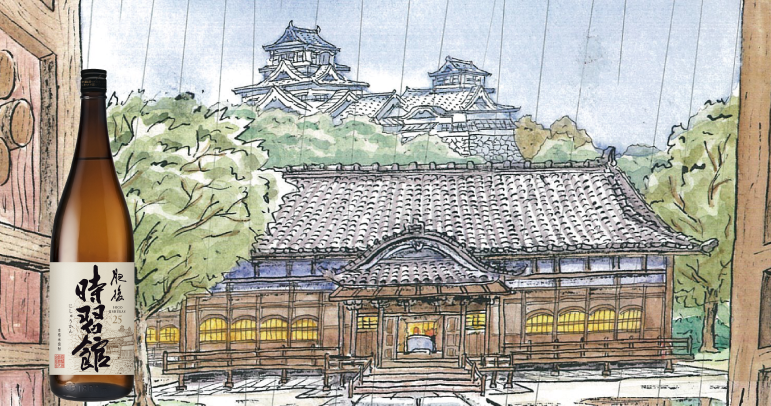
熊本藩(くまもとはん)the Kumamoto domain主the lordの細川重賢(ほそかわ・しげかた)Hosokawa Shigekata(1720~1785)は、藩財政の窮迫the financial difficulties of the domainから1752年(宝暦2年)に改革reformsに着手し、倹約の励行enforcing frugality・殖産興業の奨励encouraging the development of industryなどによって改革に成功succeeded in reforming、さらに藩校domain school・時習館(じしゅうかん)Jishukanの設立などを行った。
Hosokawa Shigekata
(1720-1785), the lord of the Kumamoto domain, embarked on reforms in 1752
(Horeki 2) due to the financial difficulties of the domain. In addition, he
established the clan school Jishukan.
He succeeded in reforming
by enforcing frugality and encouraging the development of industry, and also
established a domain school called Jishukan.

上杉治憲(うえすぎ・はるのり)Uesugi
Harunori(鷹山(ようざん)Yōzan)(1751~1822)
米沢藩(よねざわ・はん)the Yonezawa Domain(山形県(やまがたけん)Yamagata Prefecture)の上杉治憲(うえすぎ・はるのり)Uesugi Harunori(鷹山(ようざん)Yōzan)(1751~1822)は、1767年(明和4年)藩主the lord of the domainとなるとすぐ改革reformsに着手した。
Harunori Uesugi (Yozan)
(1751-1822) of the Yonezawa domain began reforms as soon as he became the lord
of the domain in 1767 (Meiwa 4).

米沢織(よねざわ・おり)Yonezawa-ori
財政再建financial reconstructionを目標に、積極的な殖産興業政策industrial development policiesを実施し商品作物の栽培the cultivation of commercial cropsを奨励するとともに、新産業開発developing new industriesに力を入れ、特に織物textilesには力を入れ、米沢織(よねざわ・おり)Yonezawa-oriは有名。
With the goal of
financial reconstruction, they implemented aggressive industrial development
policies to encourage the cultivation of commercial crops, and at the same time
focused on developing new industries, with particular emphasis on textiles, and
Yonezawa-ori is famous.

天明の大飢饉(てんめい・の・だいききん)Great Tenmei
famine(1782年~1787年)
また、凶作poor harvestsに備えて備荒倉(びこうそう)Bikousoを置き、天明の大飢饉(てんめい・の・だいききん)Great Tenmei famine(1782年~1787年)では一人の死者も出さなかったthere was no one killedという。
In addition, it is said
that there was no one killed in the Great Tenmei Famine by setting up Biarakura
in preparation for poor harvests.

興譲館(こうじょうかん)Kojokan
藩校domain school興譲館(こうじょうかん)Kojokanも、彼の手で再興rebuiltされた。
The domain school,
Kojokan, was also rebuilt by him.

佐竹義和(さたけ・よしまさ)Satake Yoshimasa(1775~1815)
秋田藩(あきたはん)the Akita Domainの佐竹義和(さたけ・よしまさ)Satake Yoshimasa(1775~1815)は、天明の大飢饉(てんめい・の・だいききん)Great Tenmei famine直後の1785年(天明5年)に藩主the lord of the domainとなった。
Yoshikazu Satake
(1775-1815) of the Akita domain became the lord of the domain in 1785 (Tenmei
5), immediately after the Great Tenmei Famine.
農業の振興the promotion of agricultureに力を入れるとともに、商品作物の栽培the cultivation of commercial cropsを奨励し殖産興業政策industrial development policiesを推進した。
In addition to focusing
on the promotion of agriculture, he encouraged the cultivation of commercial
crops and promoted industrial development policies.

明徳館(めいとくかん)Meitokukan
また藩校the domain school・明徳館(めいとくかん)Meitokukanを設け、藩内7か所 seven locations within the domainに郷学(ごうがく)Gogakuを設けるなど、教学(きょうがく)educationにも尽力した。
He also devoted himself
to education, establishing the domain school Meitokukan, and setting up local
schools in seven locations within the domain.


